 book cheap flights
Best Ways to Book Cheap Flights 2026: A Step-by-Step Guide
Editorial Team · October 11, 2026
Learn proven strategies to book cheap flights in 2026. Master booking windows, price tracking, flexible dates, and last-minute deals to save on airfare.
Table of Contents
- Understand the Best Time to Book Flights
- Set Up Flight Price Alerts to Track Fares
- Compare Flight Prices Across Routes and Airlines
- Use Flexible Travel Dates to Reduce Airfare
- Find Cheap Last-Minute Flights Strategically
- Calculate Your Total Trip Cost and Account for Hidden Fees
- Book Directly or Through a Trusted Platform
- Frequently Asked Questions
Last Updated: October 11, 2026
Understand the Best Time to Book Flights
The timing of your booking has a measurable impact on what you pay. Booking windows vary by route type, airline, and season. Getting this right can mean the difference between a reasonable fare and an expensive one.
Research shows that advance booking typically offers better prices than last-minute purchases, though the advantage varies. For most international routes, booking 4-8 weeks ahead provides a sweet spot between availability and competitive pricing. Domestic flights often have shorter optimal windows, typically 2-4 weeks in advance.
The key is understanding your specific route. Long-haul international flights benefit from longer lead times. Short regional flights may not follow the same pattern.
Booking windows by route type
International flights to popular destinations often see price increases as departure dates approach. Booking 6-8 weeks ahead generally captures lower fares. Budget airlines sometimes release heavily discounted inventory far in advance, rewarding early planners.
Regional European routes show different patterns. These flights often maintain stable pricing 3-4 weeks out, then jump in price as departure approaches. The sweet spot is typically 2-4 weeks before travel.
Domestic flights within the UK tend to be less predictable. Some routes offer better prices closer to departure; others spike significantly. The best approach is to monitor prices for your specific route over several weeks to identify the pattern.
Weekday versus weekend pricing
Midweek flights, particularly Tuesday and Wednesday departures, consistently cost less than weekend options. This reflects lower travel demand on these days. Thursday departures also tend to be cheaper than Friday through Sunday.
Weekend flights command premium pricing because leisure travellers favour these dates. If your schedule allows flexibility, shifting your departure by even one day can produce meaningful savings.
Early morning and late evening departures are typically cheaper than midday flights. These less desirable times attract lower demand, which airlines reflect in lower fares. The trade-off is convenience versus cost.
Set Up Flight Price Alerts to Track Fares
Automated price tracking is one of the most effective ways to book cheap flights without constant manual checking. Setting up alerts lets you monitor fares passively and act when prices drop.
Most major booking platforms offer built-in price alert features. You set your route, dates, and preferred price threshold, then receive notifications when fares fall below your target. Some services track prices across multiple airlines simultaneously, giving you a complete market view.
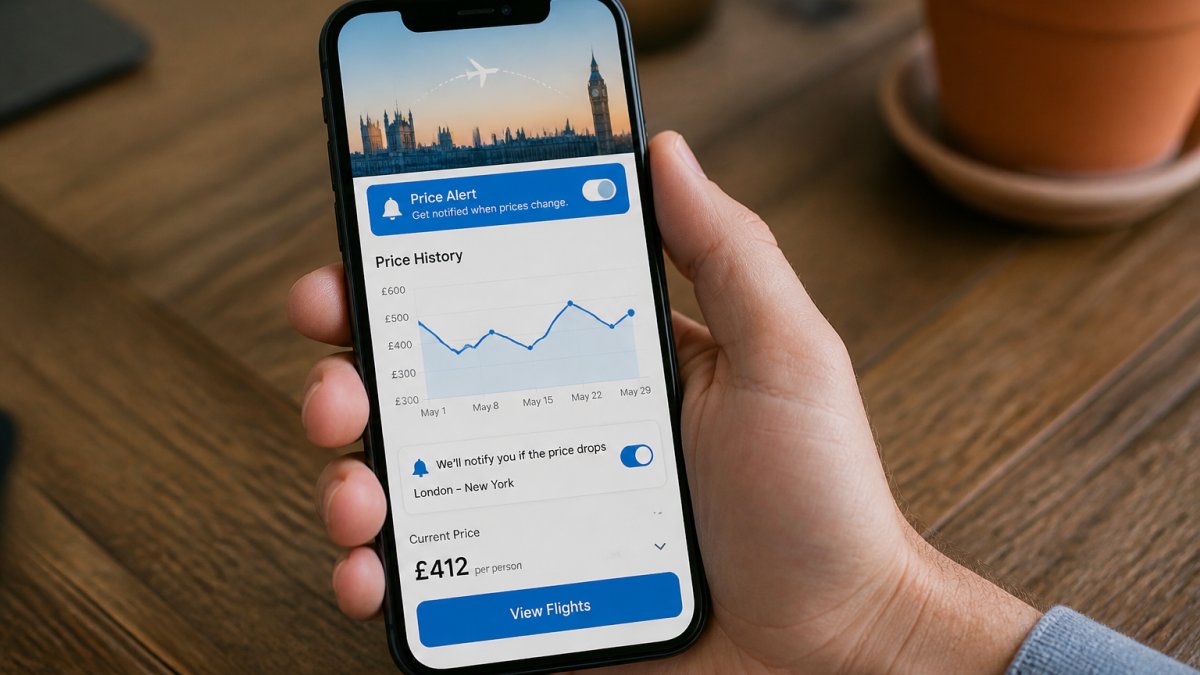
How to monitor price drops automatically
Start by identifying 3-5 booking platforms and enabling alerts on each. Different platforms sometimes show different prices due to inventory access and partnerships. Spreading your alerts across multiple sources increases your chances of catching the best deal.
Set realistic price thresholds. Research average fares for your route over the past month, then set alerts 10-15% below that average. Alerts that trigger too frequently waste your attention; alerts set too low may never trigger.
Check your alerts regularly but don't act on every notification. Price fluctuations are normal. Wait for patterns, if prices drop consistently over several days, that suggests a genuine market shift worth acting on.
Building your fare-tracking workflow
Create a simple spreadsheet tracking your target routes, current average prices, and your alert thresholds. Update it weekly. This gives you a baseline for comparison and helps you spot genuine opportunities.
Set calendar reminders to check prices on specific days. Tuesdays and Wednesdays often show the lowest fares as airlines adjust pricing for the week. Checking on these days ensures you're seeing competitive rates.
Keep a record of fares you've seen. Over time, you'll develop intuition for what constitutes a good price on your regular routes. This experience is your best guide for deciding when to book.
Compare Flight Prices Across Routes and Airlines
Direct flights command premium pricing because they offer convenience. Comparing direct options against connecting flights often reveals substantial savings. The trade-off is time versus money, a connection might add 4-6 hours to your journey but save £100-300 on the fare.
Searching one-way tickets separately rather than round-trip bookings sometimes produces lower total costs. Airlines price these differently, and occasionally two separate one-way fares undercut a single round-trip booking. Always calculate the total before committing.
One-way tickets and separate bookings
One-way flights offer flexibility but carry risk. If you book separate outbound and return flights with different airlines, a delay on the first flight could cause you to miss your connection. You have no protection, the second airline won't rebook you.
The savings from separate bookings must justify the added complexity and risk. If the difference is £20-30, stick with a round-trip booking from a single airline.
Book outbound and return flights at different times if possible. Airlines adjust pricing differently for each direction. Your outbound flight might be cheaper on Tuesday; your return might be cheaper on Thursday. Splitting the bookings lets you capture both discounts.
Alternative airports and nearby destinations
Flying into a secondary airport instead of the primary hub often costs significantly less. London has five major airports; flying into Stansted or Luton instead of Heathrow can save £50-150 per ticket. Factor in ground transport costs, but the net savings usually remain substantial.
Nearby destinations sometimes offer cheaper flights than your exact target. If you're flexible on location, search a 50-mile radius around your intended destination. A flight to a nearby city followed by ground transport might cost less than flying directly.
Compare the total trip cost, not just the airfare. A cheaper flight to a secondary airport that requires expensive transport to your final destination may not save money overall.
Use Flexible Travel Dates to Reduce Airfare
Flexibility on travel dates is one of the most powerful cost-reduction tools available. Shifting your departure by just one or two days can produce 20-30% savings.
Most booking platforms now offer flexible-date search options. Instead of selecting a specific date, you select a date range, and the system shows prices for each day. This visual comparison makes it easy to spot the cheapest options within your window.
Use flexible dates strategically. If you're planning a week-long trip, you have 14 possible departure dates (7 days out, 7 days return). Checking all combinations reveals which specific dates offer the best prices. Tuesday and Wednesday departures typically show the lowest fares.
Find Cheap Last-Minute Flights Strategically
Last-minute flights are unpredictable. Sometimes airlines slash prices to fill remaining seats; sometimes they raise prices because fewer options remain. The key is understanding when last-minute bookings actually work.
When last-minute bookings actually work
Last-minute deals appear most often on routes with high daily capacity, typically busy business routes or popular leisure destinations. Airlines operating multiple flights per day have more flexibility to discount unsold seats. Routes with only one or two daily flights rarely see last-minute price cuts.
Booking 3-7 days before departure offers the best last-minute opportunities. At this point, airlines have a clear picture of demand and may discount unsold inventory. Booking the day before departure is riskier, prices may have already adjusted upward, and seat availability is limited.
Monitor prices obsessively during the last-minute window. Prices can shift hourly as bookings accumulate. Set your alerts to notify you multiple times daily, not just once.
Hidden costs and total trip expenses
The advertised airfare is rarely the final price. Baggage fees, seat selection charges, payment processing fees, and airport taxes add significant costs. Budget airlines particularly rely on ancillary charges to boost their effective fares.
Calculate your total trip cost before booking. A flight advertised at £89 might cost £150+ once you add a checked bag, seat selection, and taxes. Compare this total against seemingly more expensive alternatives that include these charges in their base price.
Some booking platforms bundle fees into the displayed price; others add them at checkout. Reading the fare breakdown carefully prevents unpleasant surprises.
Calculate Your Total Trip Cost and Account for Hidden Fees
Focusing solely on airfare ignores the full picture. Baggage, seat selection, meals, and ground transport add substantially to your total cost. A comprehensive comparison accounts for all these expenses.
Baggage, seat selection, and ancillary charges
Budget airlines charge for everything beyond a small personal item. A checked bag might cost £15-30 each way. Seat selection adds £5-15 per flight. Meals, priority boarding, and other add-ons accumulate quickly.
Full-service carriers often include baggage and seat selection in their base fares. Their advertised prices appear higher, but the total cost is often competitive or cheaper once you account for ancillary charges.
Calculate your likely add-ons. If you're travelling with luggage requiring a checked bag, budget £30-60 for baggage fees alone on a round-trip flight. If seat selection matters to you, add another £10-30. These costs are real and must factor into your decision.
Comparing total cost across booking methods
Direct bookings through airline websites sometimes offer loyalty discounts unavailable through third-party platforms. Booking through a travel agent or platform might include perks like travel insurance or flexible cancellation policies.
Compare three booking methods for your route: the airline's website, a major booking platform, and a travel agent. Calculate the total cost including all fees, taxes, and any included services. The cheapest option isn't always the best option, consider cancellation flexibility and customer support quality.
Build a simple comparison table. List the base fare, all fees, taxes, and included services for each option. The option with the lowest total cost and acceptable cancellation terms is your best choice.
Book Directly or Through a Trusted Platform
This decision affects both price and protection. Booking directly through an airline ensures you deal with them for any issues. Booking through a platform provides comparison convenience but adds a middleman.
Advantages of booking through a platform
Platforms let you compare fares across multiple airlines instantly. This saves hours of checking individual airline websites.
Some platforms offer price-match guarantees or price-drop refunds. If a price falls after you book, they refund the difference.
Platforms sometimes bundle flights with hotels or car rentals, producing package discounts.
However, platforms take a cut of each booking, which theoretically increases prices. In practice, airlines often offer competitive pricing through platforms to maintain volume.
At Holidays Master, we offer a comprehensive booking platform where you can compare flights, book hotels, arrange transfers, and manage your entire trip in one place.
Booking cheap flights requires strategy, not luck. The best approach combines advance planning with flexible dates, price tracking, and comprehensive cost comparison.
Frequently Asked Questions
When is the best time to book flights for 2026?
The ideal booking window typically ranges from 1 to 3 months before departure for most routes. Domestic and short-haul flights often see better prices 4-6 weeks ahead, whilst long-haul international flights benefit from booking 8-12 weeks in advance. However, booking windows vary by route and season. Use price alerts to monitor your specific route and book when fares dip, rather than waiting for a fixed date.
Are last-minute flights ever cheaper?
Last-minute cheap flights do exist, but they are unpredictable. Airlines may drop prices 1-2 weeks before departure to fill remaining seats, particularly on less popular routes or off-peak travel dates. However, this is not guaranteed. The risk is that you might find no availability at any price, or prices could be higher than advance bookings. Use price alerts to track last-minute deals, but do not rely on them as your primary booking strategy.
How can flexible travel dates help you find cheaper flights?
Flying on Tuesday, Wednesday, or Saturday often costs less than peak days like Friday or Sunday, as business travel and weekend leisure demand push prices up. Shifting your departure or return date by even one or two days can save 20-40% on airfare. Using flexible date search tools lets you compare prices across a range of dates instantly, helping you identify the cheapest days without manually checking each option.
What hidden fees should I account for when booking cheap flights?
Beyond the ticket price, budget for baggage fees (typically £15-50 per bag depending on the airline), seat selection charges, meal costs on budget carriers, and airport parking or transfers. Some airlines charge for checked luggage, carry-on bags, or seat reservations. Compare your total trip cost across different airlines and booking methods, as a cheaper headline fare may become expensive once ancillary charges are added. Always check the airline's fee structure before booking.