 budget-friendly travel destinations
Best Budget-Friendly Travel Destinations for 2026
Editorial Team · October 12, 2026
Budget-friendly travel destinations: Discover affordable travel destinations across Asia, Europe, and Latin America.
Table of Contents
- Why Budget-Friendly Travel Destinations Matter
- Top Cheap Holiday Destinations Around the World
- Budget-Friendly Family Holidays: Planning for Groups
- Cheapest Months to Travel and Maximise Value
- How to Travel on a Budget Without Compromising Experience
- Daily Budget Breakdown by Destination and Travel Style
- Planning Your Budget-Friendly Trip: Practical Steps
- Frequently Asked Questions
Last Updated: October 12, 2026
Why Budget-Friendly Travel Destinations Matter
Travelling on a budget doesn't mean compromising on experience. At Holidays Master, we believe the best adventures happen when you're free from financial stress, free to focus on discovering new cultures, meeting local people, and creating memories that last. Budget-friendly travel destinations offer exactly that.
The real advantage of affordable destinations is that your money stretches further: a pound that buys a coffee in London might cover a full meal in Southeast Asia or Eastern Europe. This isn't settling for less, it's maximising value. Lower daily costs mean you can stay longer, try more activities, and experience each place more deeply.
Finding the right destination matters. Some places offer incredible experiences at a fraction of the cost of Western European cities, and there are budget-friendly travel destinations suited to every traveller's style and timeline.
Top Cheap Holiday Destinations Around the World
The world offers remarkable diversity in affordable travel, with authentic experiences that won't drain your bank account.
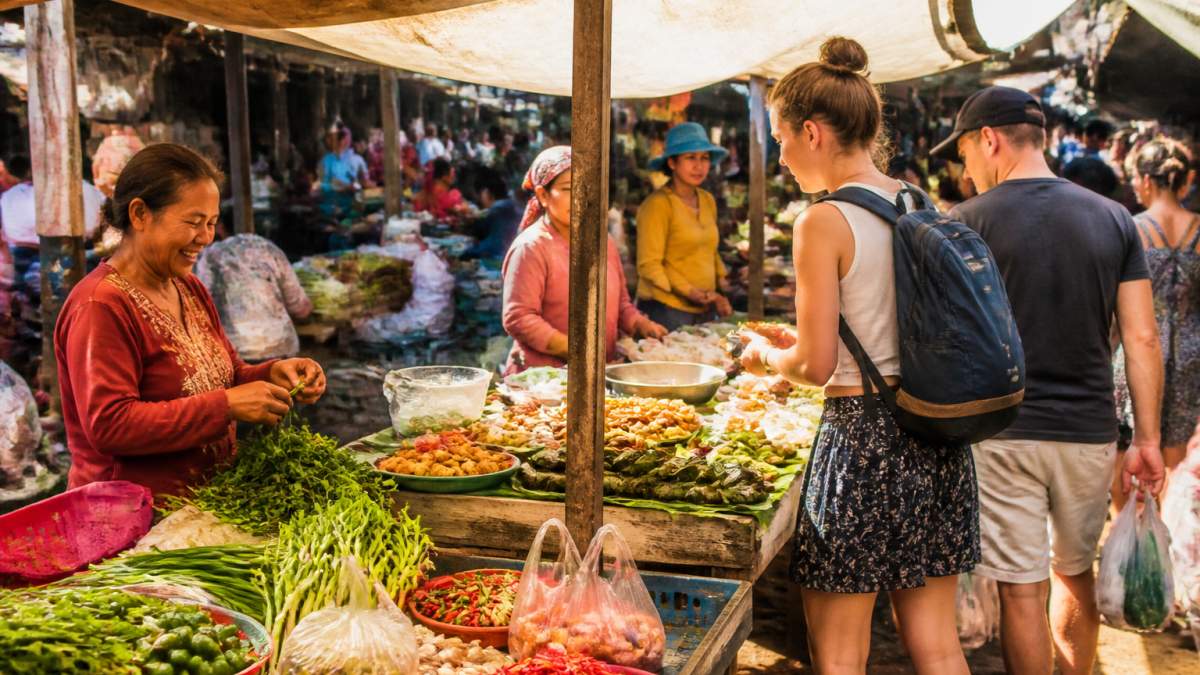
Southeast Asia: Thailand, Vietnam, and Cambodia
Southeast Asia remains the gold standard for budget travellers, combining low daily costs with incredible food, friendly locals, and landscapes from beaches to mountains to ancient temples.
Thailand attracts budget-conscious travellers for good reason. Guesthouses and mid-range hotels are very reasonably priced, street food costs just a few pounds per meal, buses and trains are cheap and efficient, and temple visits, island hopping and jungle treks are free or very affordable.
Vietnam offers similar advantages at slightly lower costs in many areas, with outstanding food, welcoming people, and stunning geography: limestone cliffs, rice paddies and coastal towns.
Cambodia rounds out this trio. Angkor Wat and other temple complexes are world-class attractions, daily costs are among the lowest in the region, and Siem Reap and Phnom Penh both offer good value accommodation and food.
Eastern Europe: Albania, Bosnia, and Romania
Eastern Europe represents exceptional value for travellers seeking European culture without Western European prices, offering history, natural beauty and genuinely warm hospitality.
Albania is often overlooked but delivers remarkable value: stunning beaches on the Albanian Riviera, mountains for hiking and adventure, and accommodation and food far cheaper than Western Europe.
Bosnia and Herzegovina combines Ottoman heritage with Austro-Hungarian architecture. Mostar's old bridge, Sarajevo's history and the surrounding mountains create a compelling destination, with low daily costs, delicious food and a less touristy feel that allows more authentic interactions.
Romania offers Carpathian mountains, medieval towns, and the Black Sea coast. Transylvania attracts visitors year-round. Daily costs are reasonable, and the country feels less crowded than Western European alternatives. Romanian hospitality is genuine, and local food is hearty and affordable.
South Asia and Central Asia: Sri Lanka, Georgia, and Uzbekistan
These regions offer distinct experiences at very reasonable daily costs. Each has its own cultural identity and natural attractions.
Sri Lanka fits an enormous amount into a small country: beaches, mountains, tea plantations, ancient temples and wildlife are all accessible. Daily costs are low, and the island's compact size means you can see diverse landscapes without excessive travel time.
Georgia sits at the crossroads of Europe and Asia. Tbilisi is a vibrant capital with excellent food and wine. The Caucasus Mountains offer trekking. The Black Sea coast provides beaches. Georgia's costs remain low, and the wine culture is unique.
Uzbekistan offers Silk Road history, stunning Islamic architecture, and desert landscapes. Samarkand and Bukhara are architectural treasures. Daily costs are extremely low. The country feels exotic and different from typical European destinations.
Budget-Friendly Family Holidays: Planning for Groups
Travelling as a family requires different considerations than solo or couple travel. Budget-friendly travel destinations become even more valuable when you're managing multiple people's expenses.
Family holidays benefit from destinations where accommodation is spacious and affordable. Guesthouses and family-run hotels in Southeast Asia or Eastern Europe often offer better value than hotels in Western Europe.
Activities matter differently for families. Many of the best experiences cost little or nothing: exploring local markets, swimming in natural pools, hiking and visiting temples.
Timing your family trip around school holidays is necessary but challenging. Shoulder seasons, just before or after peak school holidays, offer better value than peak periods, though school schedules limit flexibility.
Cheapest Months to Travel and Maximise Value
The timing of your trip dramatically affects your budget. Understanding seasonal patterns helps you find the best value without sacrificing experience.
Most popular destinations have distinct seasons.
Low season offers the lowest prices but comes with trade-offs: less reliable weather, some attractions closed, fewer services.
For Southeast Asia, November through February offers good weather and reasonable prices, not peak season but not low season either.
For Eastern Europe, spring (April-May) and autumn (September-October) offer pleasant weather and lower prices than summer. Winter is cheapest but cold in many areas.
For South Asia, October through March is ideal weather-wise and offers reasonable prices before peak season.
Flying on off-peak days (Tuesday through Thursday) and booking several weeks in advance typically saves money (Cheap flights: how to save money on airfares and airlines).
How to Travel on a Budget Without Compromising Experience
Budget travel requires strategy, but the goal is maximising experience, not minimising it. The best budget travellers often have better experiences than those spending more money.
Accommodation: Hostels, Guesthouses, and Budget Hotels
Accommodation typically represents your largest daily expense. Choosing wisely makes an enormous difference.
Hostels offer the cheapest beds and built-in social opportunities. Many hostels provide free breakfast or kitchen facilities. The shared experience often leads to friendships and group activities.
Guesthouses and family-run hotels often provide better value than chain hotels. They're typically cheaper, more personal, and often include breakfast. The owners usually offer local knowledge and recommendations.
Budget hotels offer private rooms at reasonable prices. Many are clean and comfortable despite lower costs. Online reviews help identify good value options. Booking directly with the hotel sometimes yields better rates than third-party platforms.
Location matters significantly. Staying slightly away from tourist centres reduces costs whilst remaining accessible. Local transport is usually cheap enough to reach attractions easily.
Food and Local Dining
Food represents a substantial daily expense, but it's also where budget travel delivers tremendous value. Eating like locals rather than tourists saves money whilst providing authentic experiences.
Street food offers exceptional value and authenticity. Markets and street stalls in Southeast Asia and South Asia serve excellent meals for just a few pounds.
Local restaurants away from tourist areas cost significantly less than establishments catering to tourists. The food is often better too.
Self-catering in accommodation with kitchen facilities reduces costs further. Buying from local markets and preparing some meals saves money whilst allowing you to experience local produce and cooking methods.
Avoiding tourist traps and eating establishments near major attractions keeps costs down. Walking a few minutes away from famous sites typically reveals cheaper, better options.
Transportation and Getting Around
Getting around cheaply is essential for budget travel. Most budget destinations have excellent local transport options.
Public transport is extremely affordable in most budget destinations. Buses, trains, and local taxis cost a fraction of Western European prices. Learning to use local transport systems is part of the adventure and connects you with local life.
Long-distance travel between destinations can be booked through local travel agencies or online platforms. Overnight buses or trains save accommodation costs whilst covering distance. They're less comfortable than flying but significantly cheaper.
Walking and cycling are free and offer the best way to explore towns and cities. Many destinations have bike rental schemes at minimal cost.
Ride-sharing apps in larger cities offer cheap transport compared to taxis. They're reliable and transparent about costs.
Activities and Attractions
The best experiences often cost nothing or very little. Paid attractions are sometimes worthwhile, but many destinations offer remarkable free or cheap activities.
Natural attractions, beaches, mountains, rivers, and parks, are typically free or have minimal entrance fees. Hiking, swimming, and exploring landscapes cost nothing beyond basic transport to reach them.
Cultural experiences like markets, festivals, and local celebrations are free to observe and participate in. These often provide more authentic experiences than paid tourist attractions.
Museums and historical sites sometimes offer free or discounted entry on specific days. Researching ahead saves money. Many temples and religious sites are free to visit.
Local guides, often found through hostels or guesthouses, cost less than organised tour companies and provide more personal experiences. Splitting costs with other travellers reduces individual expenses.
Daily Budget Breakdown by Destination and Travel Style
Understanding realistic daily costs helps you plan effectively. These figures reflect typical mid-range budget travel in 2026.
| Destination | Budget Accommodation | Meals (Daily) | Local Transport | Activities | Total Daily |
|---|---|---|---|---|---|
| Thailand | £8-15 | £5-10 | £2-5 | £5-15 | £20-45 |
| Vietnam | £6-12 | £4-8 | £1-3 | £3-10 | £14-33 |
| Cambodia | £5-10 | £3-7 | £1-2 | £2-8 | £11-27 |
| Albania | £12-20 | £6-12 | £1-2 | £5-10 | £24-44 |
| Bosnia | £10-18 | £7-12 | £1-2 | £5-10 | £23-42 |
| Romania | £10-16 | £6-10 | £1-3 | £5-10 | £22-39 |
| Sri Lanka | £8-14 | £4-8 | £1-3 | £5-12 | £18-37 |
| Georgia | £10-16 | £5-10 | £1-3 | £5-10 | £21-39 |
| Uzbekistan | £8-14 | £4-8 | £1-2 | £5-10 | £18-34 |
These figures represent reasonable comfort, clean accommodation, decent food, occasional paid activities. Solo travellers sometimes spend less through hostels and shared transport. Families might spend more but can reduce costs through self-catering and free activities.
Budget travel styles vary. Backpackers minimise costs aggressively. Mid-range travellers seek value but prioritise comfort. Family travellers balance budget with convenience. Your daily spend depends on your priorities and travel style.
Planning Your Budget-Friendly Trip: Practical Steps
Effective planning transforms budget travel from stressful to enjoyable. These steps help you organise a successful trip.
Start by setting a realistic total budget. Include flights, accommodation, food, transport, activities, and contingency funds.
Choose destinations that match your budget. Use online resources to compare daily costs across options.
Book flights well in advance, typically 6-8 weeks ahead. Set price alerts on flight comparison sites.
Research accommodation options and read recent reviews. Book mid-range options that balance cost and comfort.
Plan your daily itinerary around free and low-cost activities.
Budget for transport within your destination. Research local transport options and typical costs.
Budget-friendly travel destinations make exploring the world accessible to everyone.
At Holidays Master, we understand that budget-conscious travellers deserve the same quality service as any other traveller.
Frequently Asked Questions
Which destinations offer the best value for budget-friendly travel?
Southeast Asian destinations like Thailand, Vietnam, and Cambodia consistently offer exceptional value, with daily costs of £20-30 including accommodation, food, and activities. Eastern European countries such as Albania and Bosnia provide similar affordability with lower accommodation costs. South Asian options like Sri Lanka offer diverse experiences from beaches to cultural sites at very low daily budgets. The best choice depends on your travel style and interests, but all these destinations provide strong value compared to Western European or North American travel.
What are the cheapest months to travel and save the most money?
Travelling during shoulder seasons (April-May and September-October) offers the best balance of lower prices and favourable weather. The true low season varies by destination: monsoon months in Southeast Asia (June-September) bring significant discounts but wet weather; winter months in Europe (November-February) reduce accommodation and activity costs substantially. Avoid peak holiday periods like Christmas, Easter, and summer school holidays when prices across flights, hotels, and attractions spike. Planning flexibility around these periods can reduce your overall trip cost by 20-40%.
How can families travel on a budget without sacrificing quality experiences?
Budget-friendly family holidays work best when you prioritise free and low-cost activities like local markets, beaches, hiking, and cultural exploration over expensive attractions. Choose destinations where your currency stretches further, allowing you to book mid-range accommodation and eat at local restaurants rather than tourist-focused venues. Self-catering options like guesthouses with kitchens reduce meal costs significantly. Book flights well in advance and consider visiting during shoulder seasons. Many destinations offer family discounts on activities and transport, so ask locally.
What's included in a realistic daily budget for cheap travel destinations?
A realistic daily budget of £25-40 typically covers basic hostel or guesthouse accommodation (£8-15), street food and local restaurant meals (£5-10), local transport (£2-5), and one paid activity or attraction (£5-10). This assumes backpacking or independent travel with minimal paid tours. Budget-friendly family holidays may run £40-60 daily per person with slightly better accommodation and organised activities. Costs vary significantly by destination: Southeast Asia and South Asia sit at the lower end, whilst Eastern Europe costs more but remains affordable. Always add buffer funds for unexpected expenses and occasional treats.